Anna Malpas
DPhil Candidate in Anthropology
University of Oxford
The Social Life of the Memorial Bench
I am an anthropologist researching memorial benches in the British landscape
Heard me on BBC Radio Oxford?
If you have a story or experience with a memorial bench in Oxfordshire I would love to hear from you
About Anna
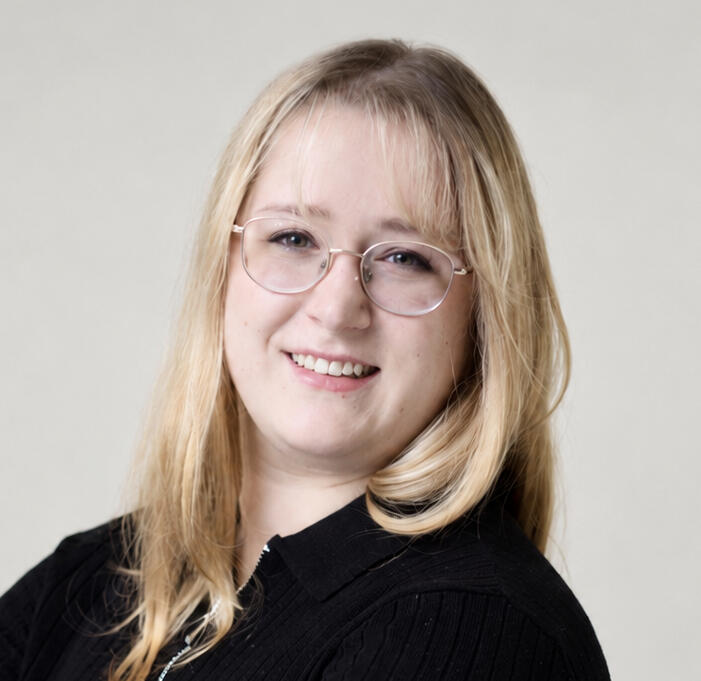
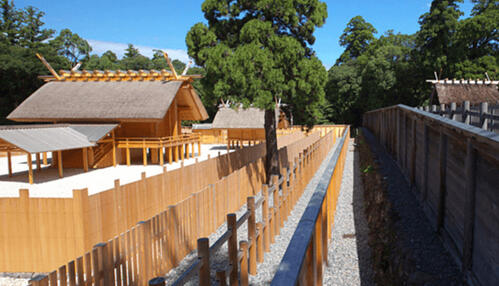
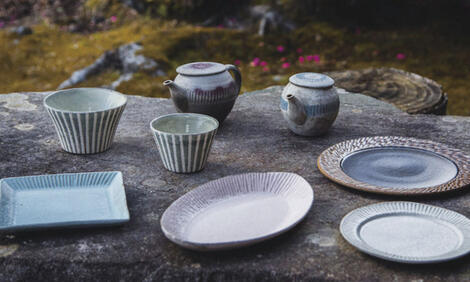
I'm Anna, a DPhil candidate in Anthropology at the University of Oxford based at Wolfson College. As an anthropologist I am fascinated by the ways in which we remember, grieve and memorialise the dead.Before beginning my doctoral research on memorial benches, I lived and worked in Japan for many years, and I maintain this connection through my work with museums and cultural institutions in Japan and the UK.
Currently
DPhil in Anthropology
School of Anthropology and Museum Ethnography
College
Wolfson College
Based in
Oxford, UK
Academic Activities
Book Reviews Editor, Journal of the Anthropological Society of Oxford (JASO)Digital Editorial Fellow, Dispatches from Applied Anthropology, Society for Applied Anthropology (SfAA)
Recent work
Recent work


About Anna
I am an anthropologist interested in the relationships between people, objects, memory and place
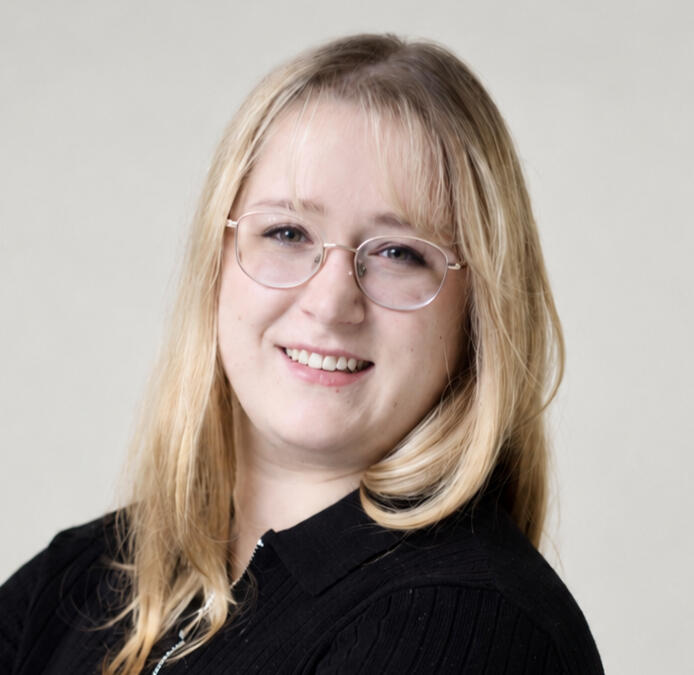
I am a DPhil candidate in Anthropology at the University of Oxford and a member of Wolfson College. My doctoral research, The Social Life of the Memorial Bench, explores memorial benches within the British landscape.
I am particularly interested in the social and material lives of ordinary things. As part of my work, I explore how material culture gathers meaning over time, becomes entangled with people and places, and help us to see the world in new ways.
My work combines traditional ethnographic methods with visual and multimodal engagement to explore what seemingly familiar objects can tell us about grief, personhood, and our relationships with each other.
From Japan to the UK
My route to anthropology has taken me across countries, disciplines and professional practice.
I lived, studied and worked in Japan for many years, completing my undergraduate degree at Doshisha University. My early research interests surrounded interpretive practices in Japanese museums and the development of inclusive pedagogical practice.
Following this interest, I relocated to Oxford to study the Visual Material and Museum Anthropology MPhil, graduating with Distinction and continuing to the DPhil with the support of the Oxford Wolfson Mariott Scholarship.
My years in Japan continue to shape the way I approach anthropology. They inform my passion for reflexive and thoughtful practice, and allow me to approach the UK with fresh eyes as simultaneously insider and outsider.
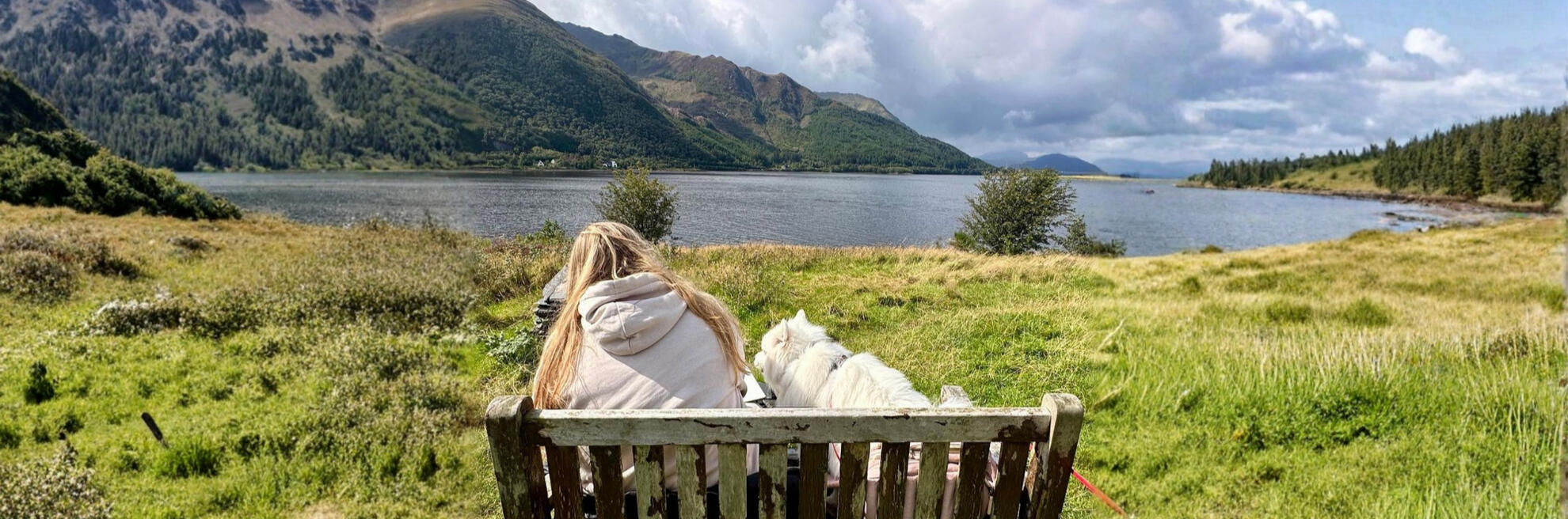
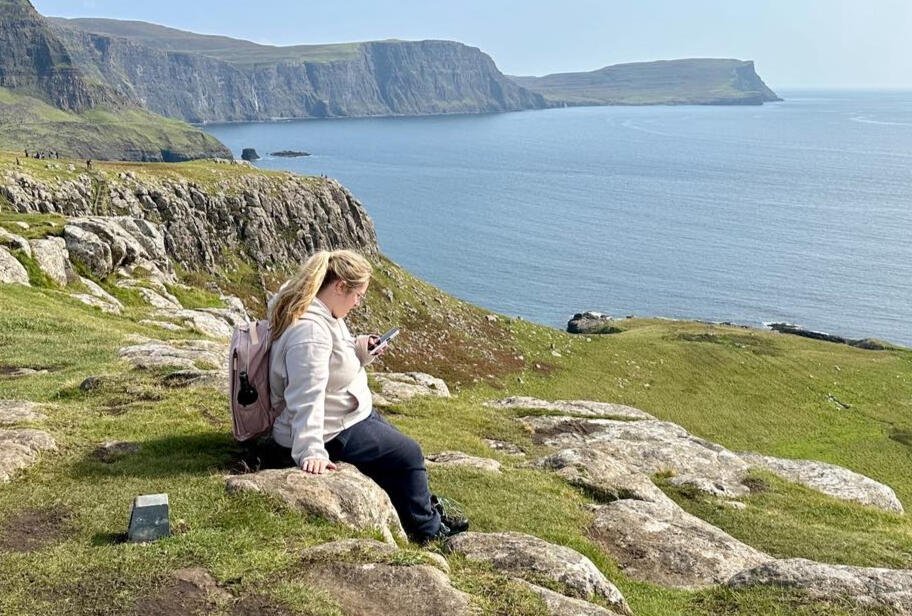
Applied Anthropology
I believe that anthropology has something to say.
Anthropology is most valuable when it remains in conversation with the world beyond the academy. Ethnographic insights can offer powerful ways of understanding how people experience institutions, places, objects, and systems and those ways of understanding can help us to create systems that serve us more effectively.
In my work, I am always trying to listen to the complexity of the world, and seek ways of representing the world in a way that will make a genuine difference.
However, I do not believe applied anthropology to be simply about finding practical "uses" for academic research. It is about creating genuine exchange between anthropological thinking and the people, organisations, and communities.
Heritage and Public Anthropology
Alongside my academic research, I also work with museums, cultural heritage institutions and local government.
Much of my work has focused on interpretive practice and the challenge of communicating across different communities. Interpretation can create opportunities for connection, curiosity, and multiple ways of understanding the same objects and histories, but it can also exclude, simplify, or make assumptions about the people it hopes to reach.
Anthropology provides a particularly powerful way of answering these questions, and I use ethnographic methods to help inform my museum based practice.
The
Social Life of
the Memorial Bench
An ethnography of grief, memory, materiality and
encounter in the British Landscape
Following the Bench
My research follows the social life of the memorial bench. Starting with the decision to memorialise someone with a bench, through regulation, manufacture, use, and eventually decay or removal - I explore what these spaces of memory mean to people in the United Kingdom.A single bench can connect a bereaved family with a carpenter, a parish council, a particular view, regular walkers, distant relatives, online communities, and strangers who may know nothing about the person named on the plaque.I am interested in these relationships, and how we can come to understand their growing importance in the memorial landscape of Britain.
Who am I Following?
Individuals
People who chose to commemorate someone with a bench and make decisions about its location and form
Encounters
Those who come across memorial benches in everyday life - walkers, strangers, visitors and communities
Narrators
Those who actively search for, record or document memorial benches and their stories - both online and offline
Makers & Caretakers
People who make, install and maintain memorial benches across their material lives
Institutions
Councils, organisations and landowners who make decisions around the policy that concerns benches
Creating a Network
My sustained ethnographic fieldwork takes place primarily in Oxfordshire - chosen for its mix of urban and rural landscapes, towns and villages, waterways, churches and public spaces.But this is a study of the networks that are created around these benches, and the connections that span far beyond the limits of the county.This network encompasses makers, installers, visitors, organisational and local government actors, and the people who are motivated to memorialise their loved ones.
How I Research
Talking
Interviews and informal conversations with people involved in the lifecycle of memorial benches
Walking
Walking with participants across the seasons, visiting and revisiting benches to observe change, maintenance and decay
Audio-Visual
Photography, recording video, and creating soundscapes at the sites of memorial benches
Digital
Digital mapping and corpus linguistic analysis of bench inscriptions and placement in the landscape
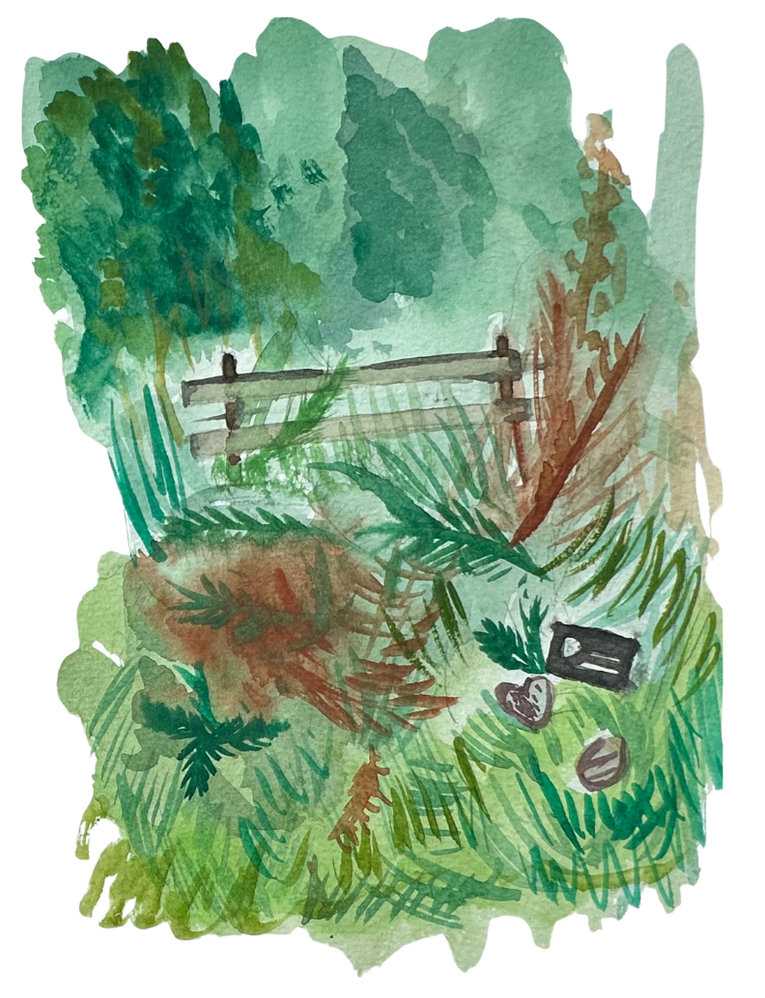
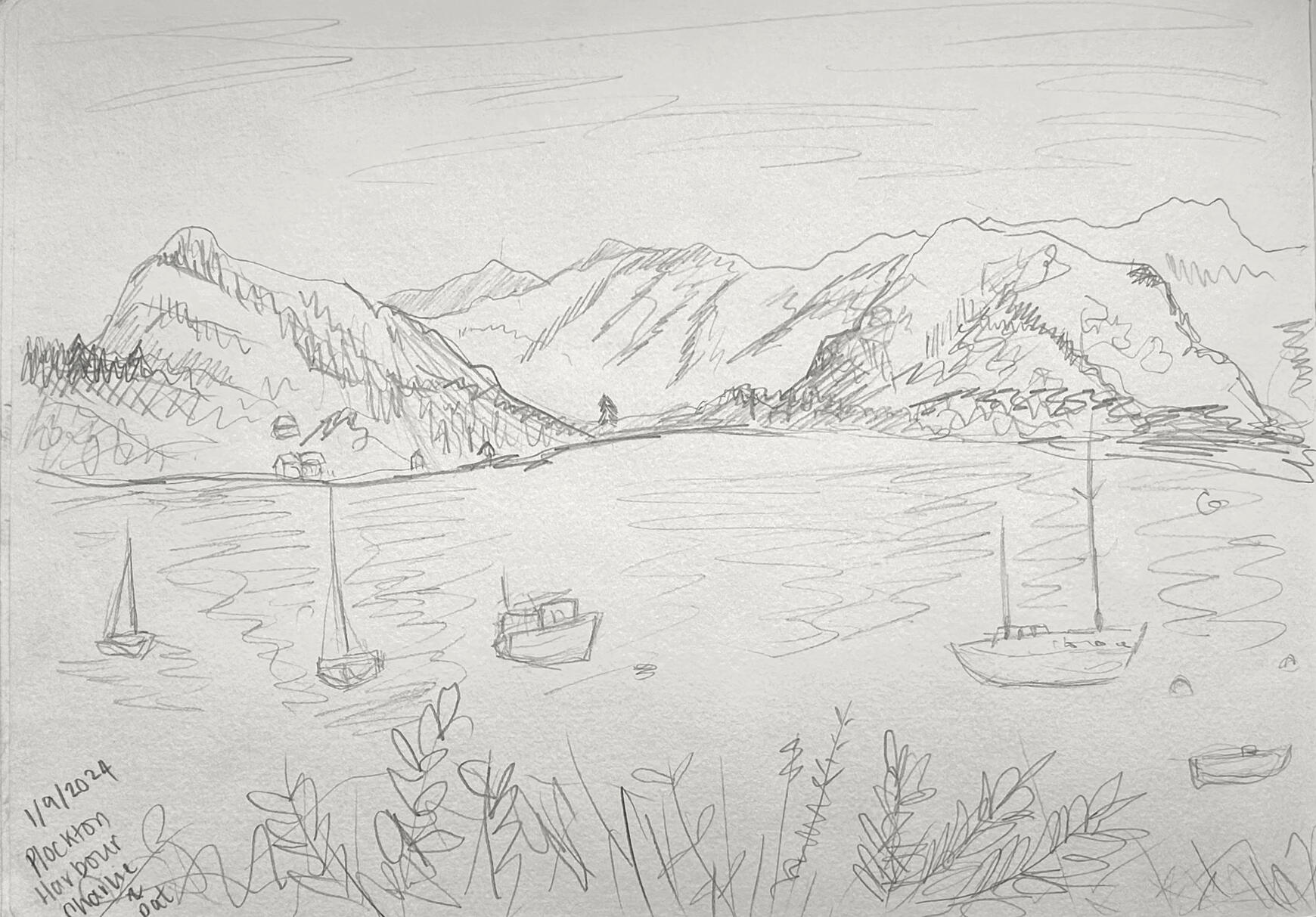
Drawing and Sitting
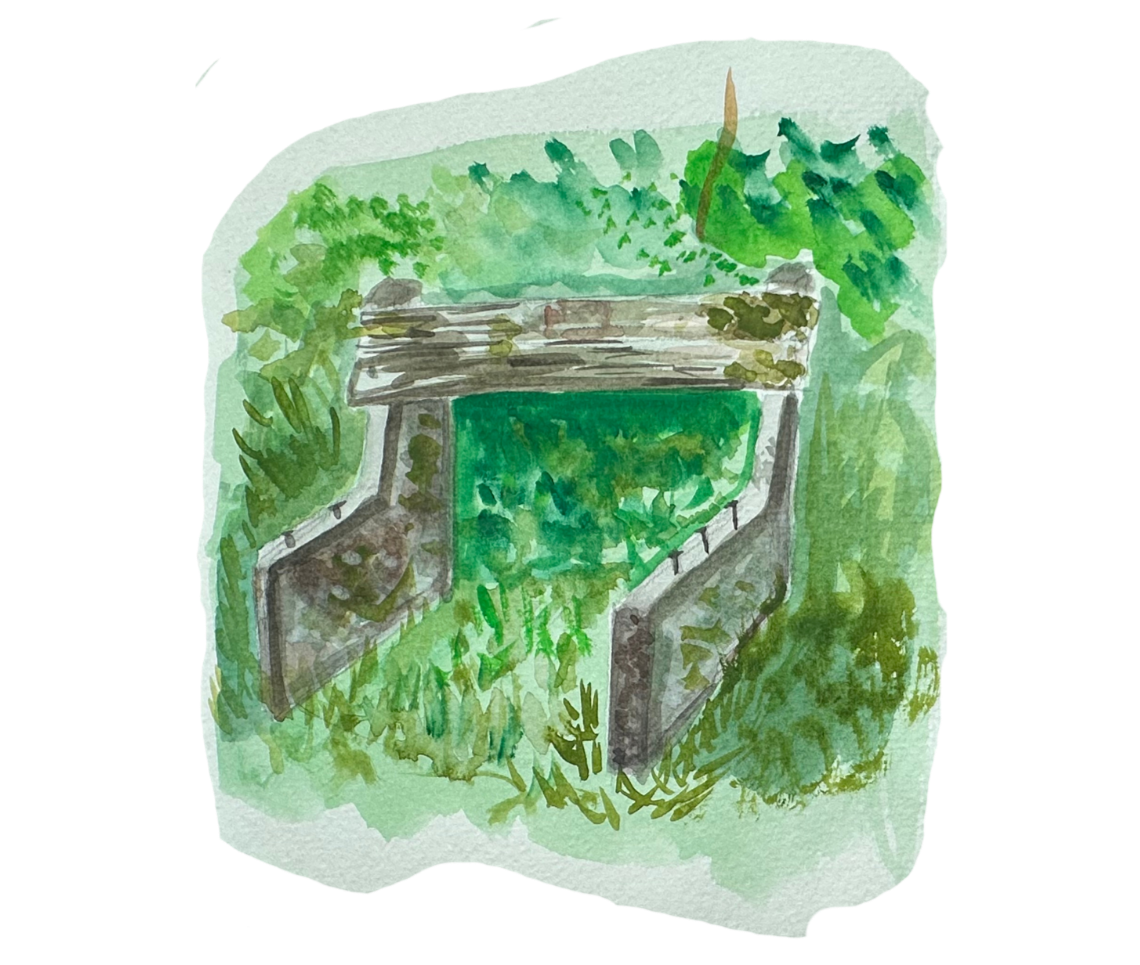
Drawing is a way of slowing down. It allows me to focus my attention, and capture changes that photography or the written word would otherwise miss.My sketches are not just illustrations, but a record of texture, movement and change over time.
Do you have a memorial bench story?
If you have a story or experience with a memorial bench in Oxfordshire I would love to hear from you
Creative Practice and Public Engagement
I position my work between the academy and applied public engagement. I use my ethnographic training alongside drawing, painting, making and writing to help explore relationships between people, place, memory, material culture, and the more-than-human world.
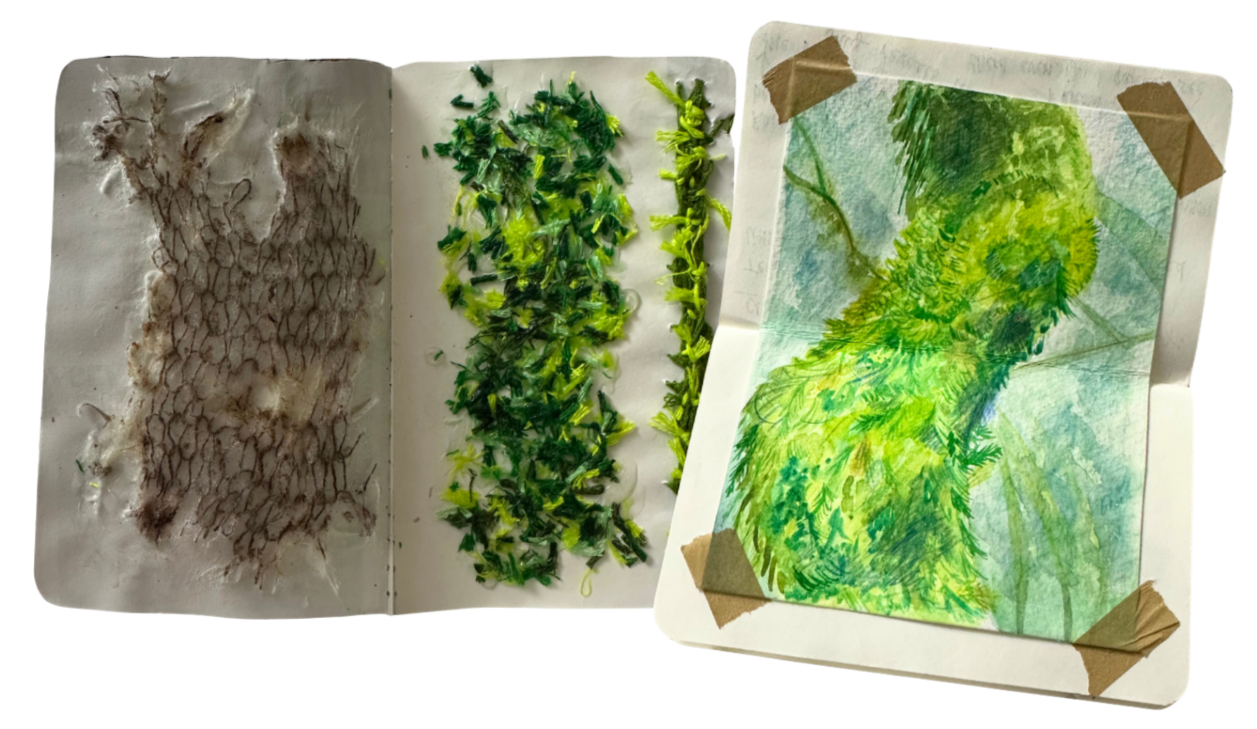
Art Practice
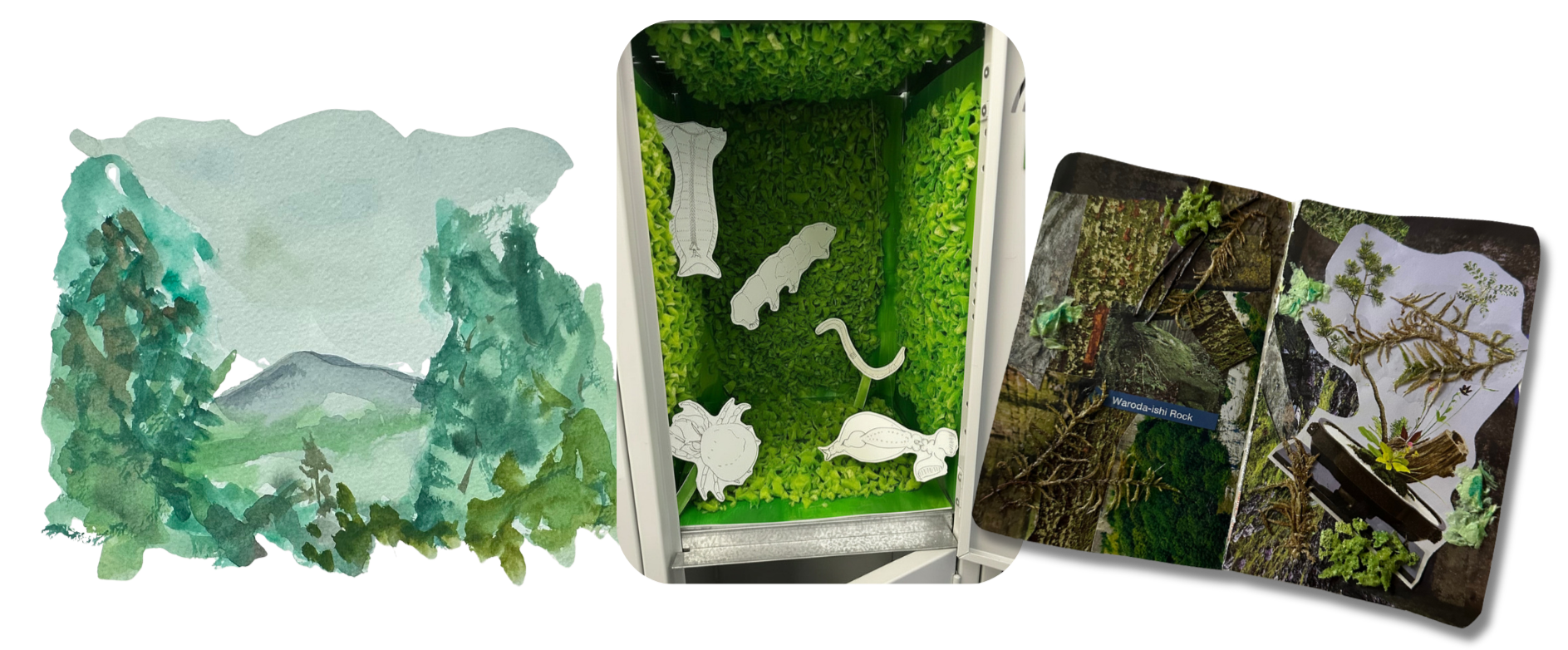
Art Practice
Sketchbooks and multimodal work are central to how I observe and make sense of the world.I work with watercolour, gouache, sketching and 3D collage as a way to engage more closely with both material and more-than-human worlds.
Public Facing Writing
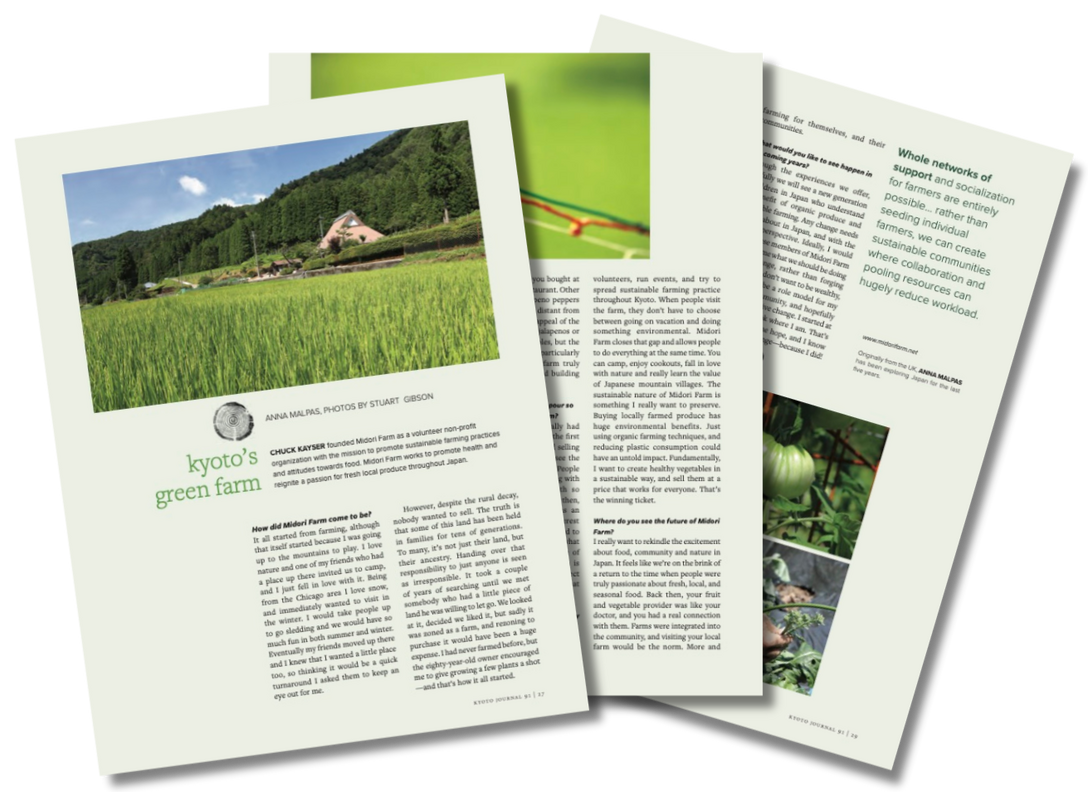
I am particularly passionate about communicating research beyond the academy.I write to reach a variety of audiences and hope to share anthropological insights in an engaging and accessible way. A few examples of digitally published engagement include:
Public Facing Writing
Talks and Presentations
Talks and Presentations
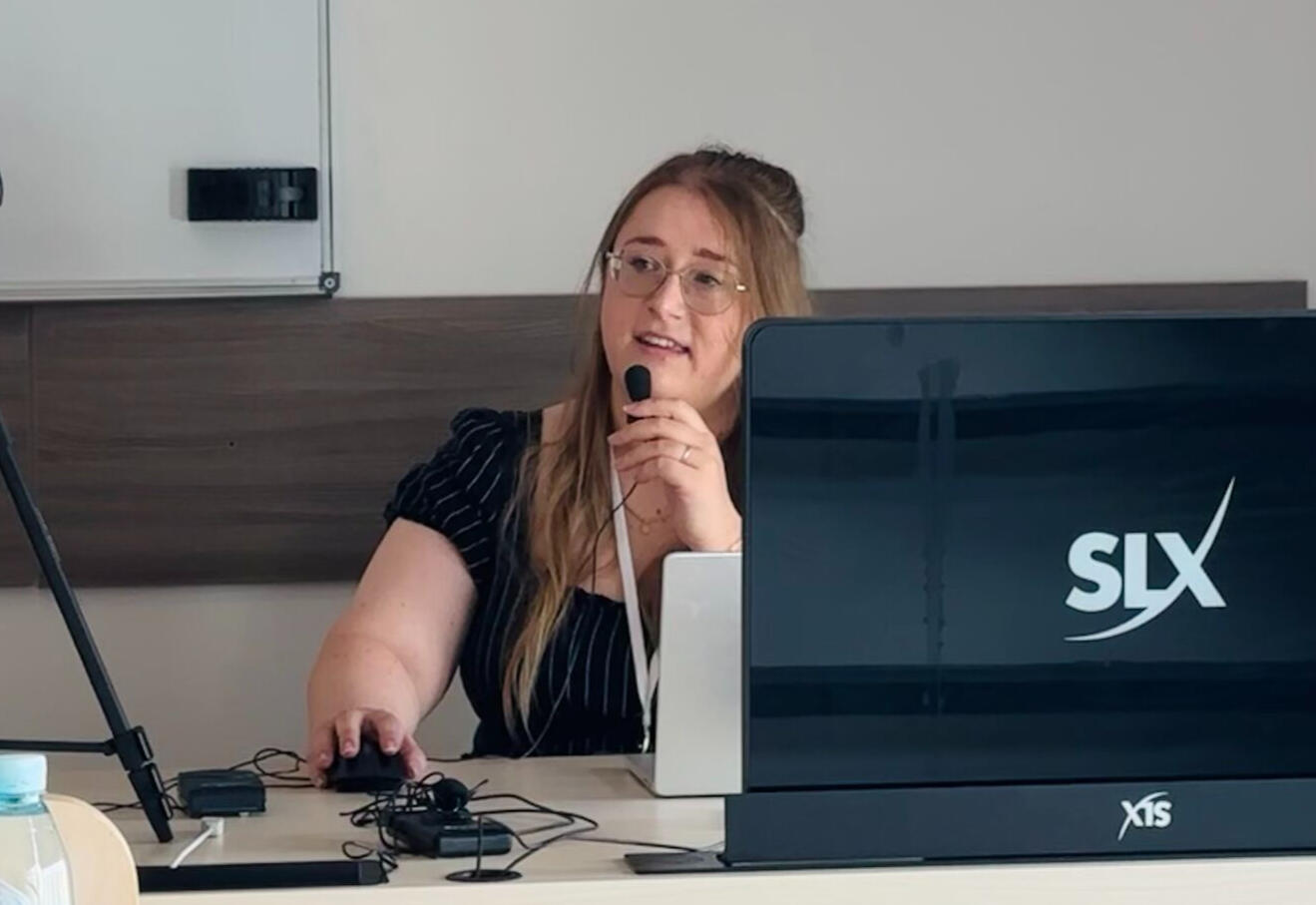
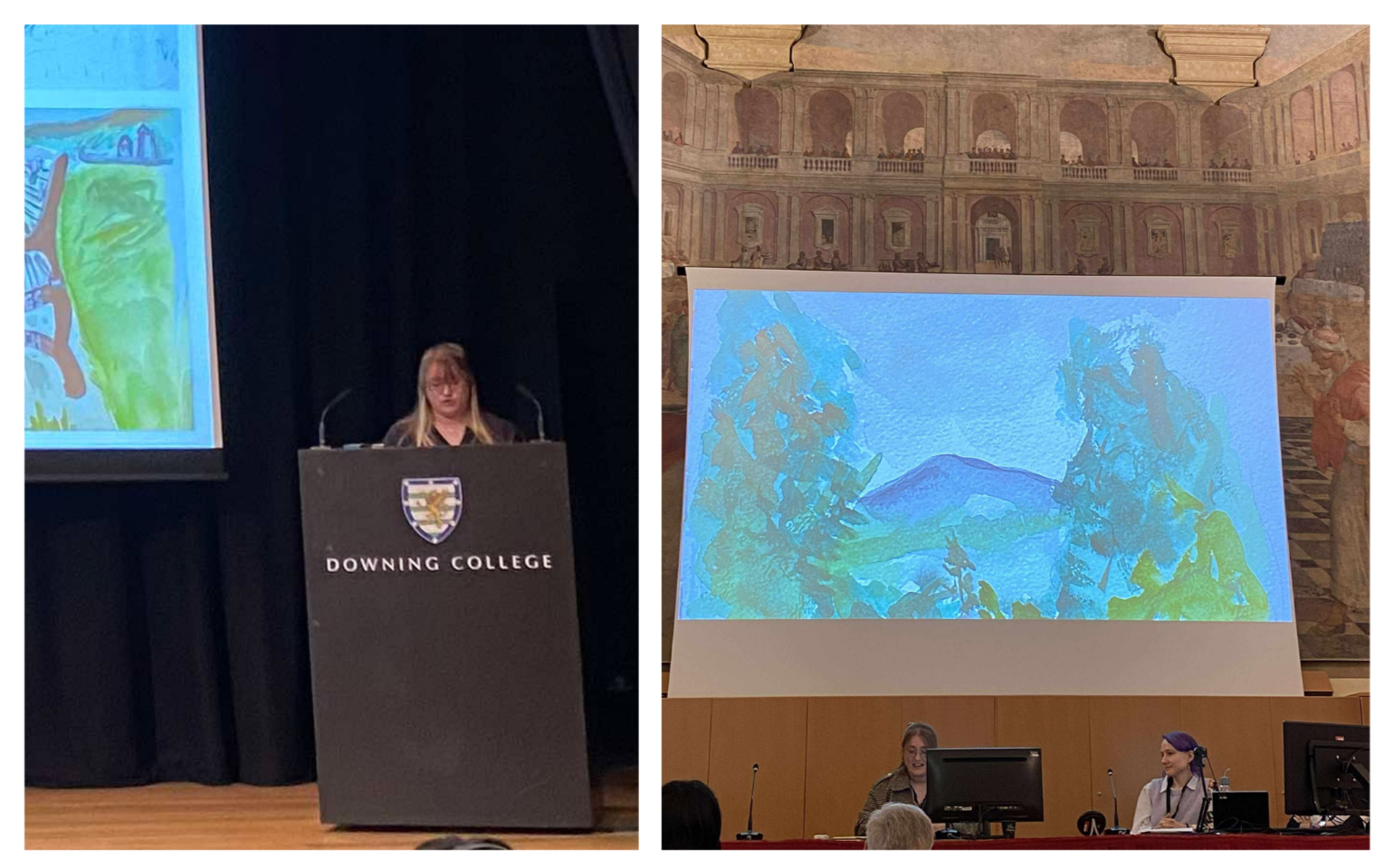
I regularly present my research at conferences, seminars and public events.
Recent conference papers include:
EASA2026, Where grief is allowed to sit: Memorial benches, policy, and the necropolitical governance of mourning
CDAS2026, Who decides where grief belongs? Memorial benches and public remembrance in England
AAN, WWNA25, Towards an anthropology of sitting
Consultancy
I work with museums, heritage organisations, local authorities and cultural institutions across the UK and Japan.
Consultancy
Editorial Work
I have worked with a range of academic and public facing publications in both an editorial and creative capacity.
Consultancy